
Why this matters — the problem that will hit you hardest
You think a price quote and a spec sheet are enough. They’re not. One wrong assumption about panel sourcing, firmware support, or warranty scope can leave you staring at a warehouse of unusable displays. If you’re about to contact a monitor manufacturer, stop and force the hard questions first; the cost of not asking is literal inventory and reputation damage. Feel the risk. Name it. Then move forward with intent.
Core questions to insist on, and why they expose risk
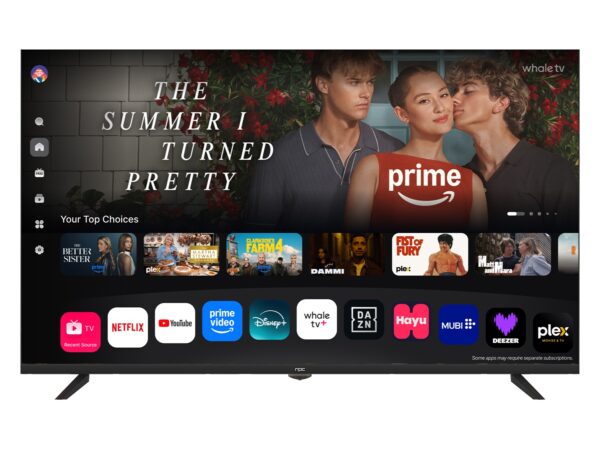
Ask about the exact panel model and supplier; demand sample units with serial-traceable parts. Ask how firmware updates are handled and whether they’ll remain accessible if the vendor changes ownership. Ask for measured brightness, color gamut, uniformity test reports, and tolerance ranges rather than marketing percentages. Ask precise lead times and the penalty for missed milestones. Ask for failure-mode data from production runs and the corrective action history. Simple phrasing: if they can’t supply objective test records or won’t commit to a clear remedy path, walk away.
Experience, expertise and one real-world anchor
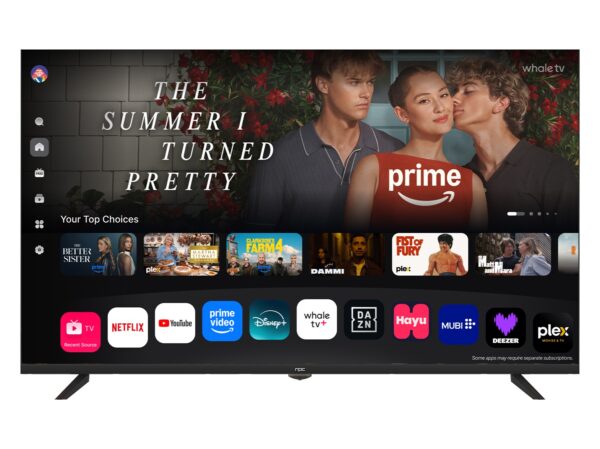
I’ve audited production lines and seen what goes wrong when purchasing teams skip factory checks. Trust comes from verifiable process: ISO 9001 audits, third-party drop-and-burn testing, and fixed-point warranty SLAs. Also note Shenzhen’s manufacturing clusters where many small and large suppliers coexist—this concentration shapes sourcing choices and logistics costs. For a practical supplier search, consult verified lists of lcd monitor manufacturers and verify certifications and on-site inspection reports before signing.
Common pitfalls teams repeat
Relying on brand names alone; assuming compatibility across firmware versions; accepting vague warranty language that excludes return freight; underestimating regulatory approvals for your target market. Avoid accepting generic samples that aren’t production-grade. Don’t let cost blind you to replacement-pin risks: connectors, cable types, and control-board revisions change between batches and ruin integration plans.
Viable alternatives to a single-source commitment
Split orders across two vetted factories to reduce supply shocks. Contract a short pilot run with strict acceptance criteria before moving to full volume. Consider modular contracts where the supplier commits to a defined upgrade path for firmware and spare parts. Evaluate regional partners to cut transit time, but balance that against consistency of quality across sites.
The final, unavoidable truth
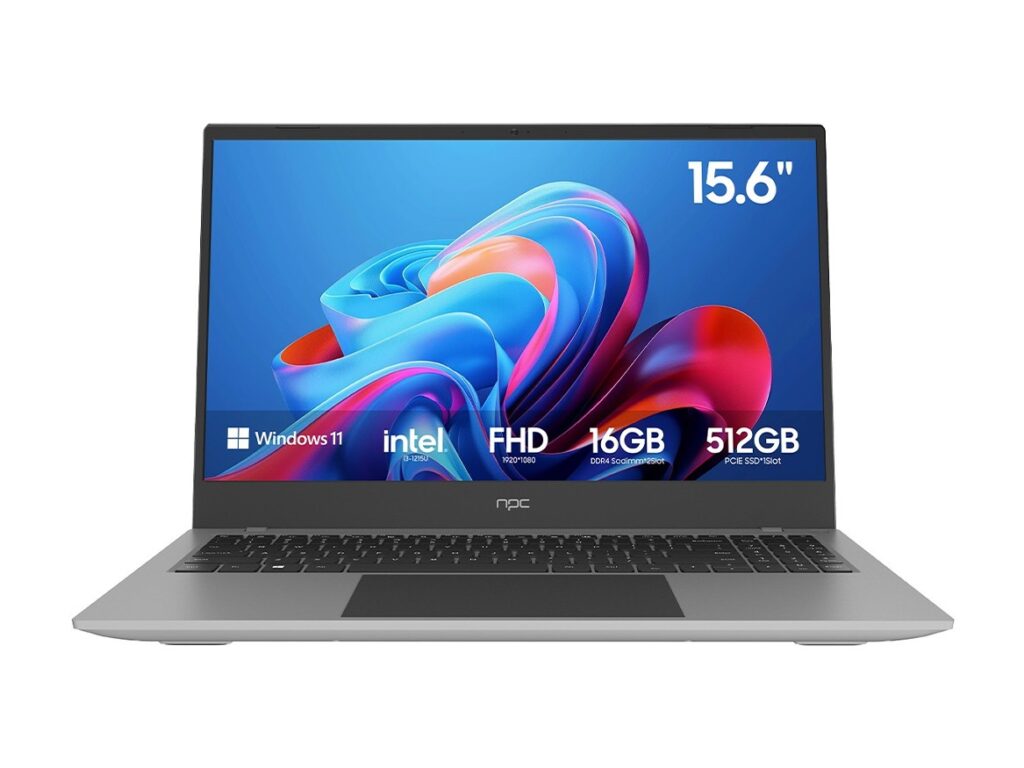
Decide with evidence: test results, factory inspection notes, certificate checks, and clear contractual remedies. If those pieces align, you’ve eliminated most risk; if they don’t, you’ve bought uncertainty. Practical, tested sourcing and transparent records are the solution — the very approach embodied by npc — and that clarity keeps your projects running, not stalled by surprises.