
A Buyer’s Guide to Evaluating Commercial Battery Manufacturers: For Clearer Procurement Questions
Operations teams should approach commercial battery manufacturers as part of a system handoff, not as a standalone product search. The useful question is whether the battery information, equipment requirements, installation interfaces, and ongoing responsibilities can be discussed in the same procurement record. This approach helps separate confirmed page statements from requirements that still need technical definition before a purchase decision.
Start with the operating context
Begin by describing the equipment and working conditions in practical terms. Record whether the battery is intended for engine starting, support of an electrical system, or another defined function. Also note the available installation space, connection arrangement, expected operating environment, maintenance access, and any periods when the equipment may be stored. These details give the procurement conversation a defined scope instead of relying on a broad category label.
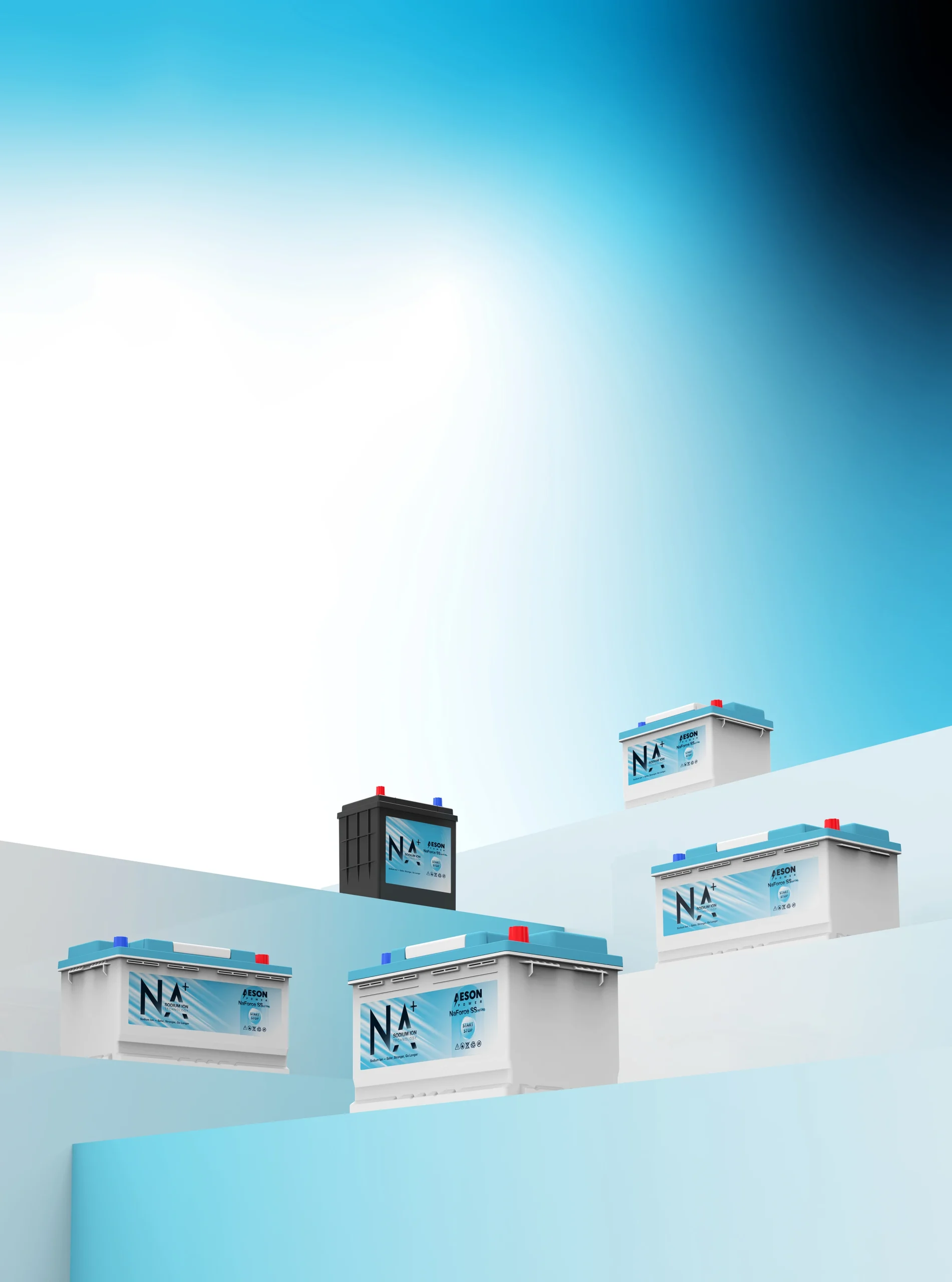
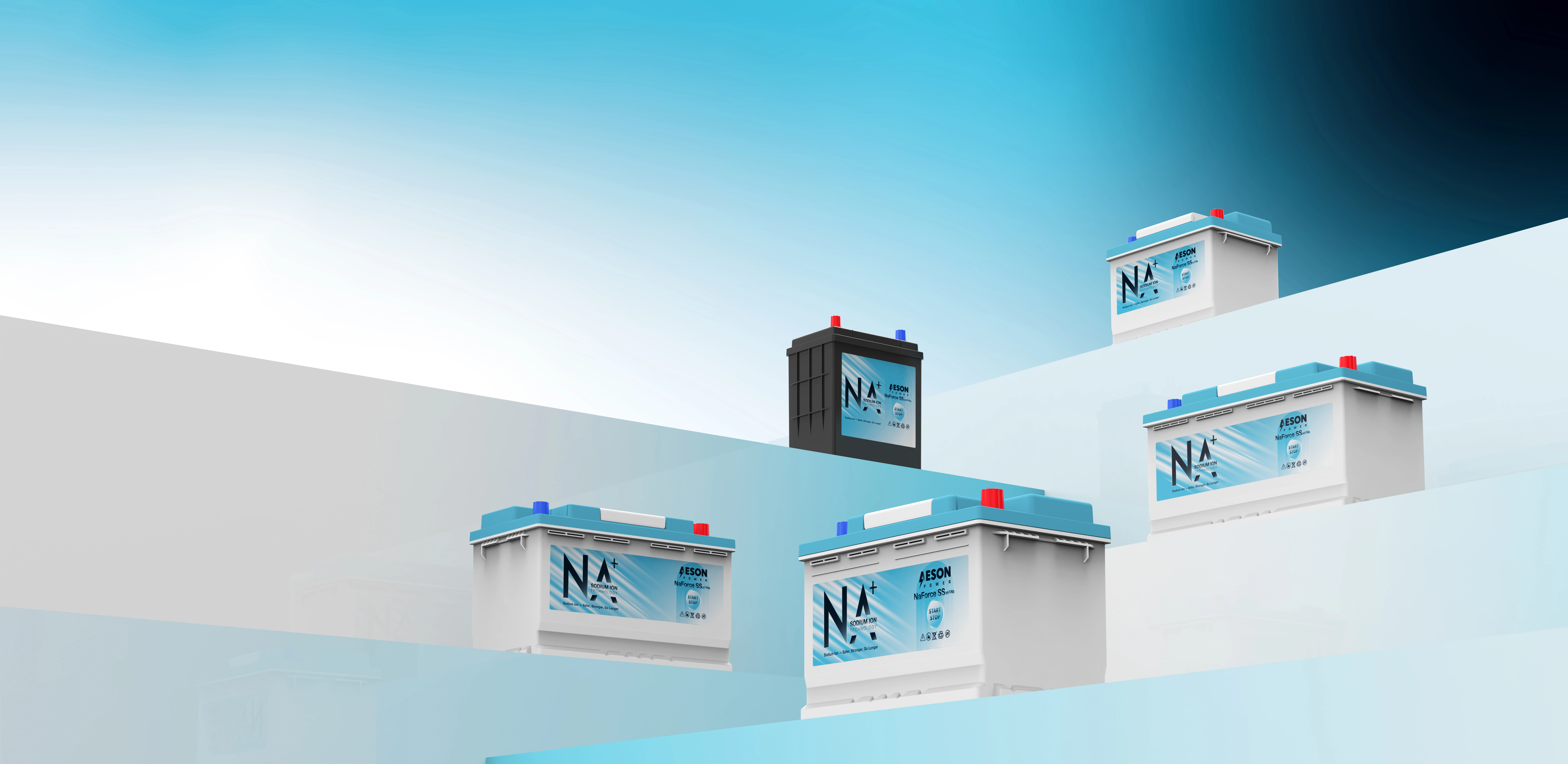
The official page used for this review describes a commercial battery as a product intended to deliver the high current needed to start larger engines and support electrical systems in commercial transport vehicles and diesel-powered industrial equipment. It also describes the relevant working conditions as demanding, including applications that may require strong cranking performance and durability. Those statements can establish the type of use being discussed, but they do not by themselves confirm that every listed battery suits every machine.
Turn compatibility into specific questions
Compatibility should be treated as a chain of interfaces. Ask which voltage and energy-capacity requirements apply, what cold-cranking or starting-current measure is relevant, and whether the proposed case dimensions and terminal configuration match the equipment. Where battery protection functions or technical documentation are part of the handoff, identify who must provide and approve those details.
The page states that customisation may include voltage, energy capacity, CCA, case dimensions, terminal configuration, battery protection functions, branding, packaging, and technical documentation. It also states that available options depend on technical feasibility, certification requirements, and order volume. For an operations team, the practical implication is to put each requested feature into a requirements table and mark whether it is a confirmed requirement, a supplier option, or an unresolved technical question.
- Electrical interface: record the required voltage, capacity, and starting-current measure.
- Physical interface: record dimensions, terminals, mounting conditions, and access constraints.
- Protection and documentation: state which functions and documents are required for the handoff.
- Commercial scope: separate technical feasibility, certification requirements, packaging, branding, and order-volume considerations.
Use page-level evidence with care
A comparison is clearer when every statement is tied to the scope in which it appears. Do not treat a category description as proof of a particular model’s performance. Likewise, a statement about selected models should not be presented as a characteristic of an entire product range. Keep the source page, wording, and scope beside each requirement so that procurement, engineering, and operations teams are discussing the same evidence.
In the middle of the handoff, commercial battery manufacturers should be compared by how directly their available information addresses the stated system interfaces, rather than by general claims about a category. The page describes TurboNa commercial starting batteries as serving two main application categories, and it separately states that selected models are designed to operate at temperatures up to 80°C. That distinction matters: an application category and a selected-model temperature statement are different kinds of evidence and should remain separate in the evaluation record.
A useful real-world anchor is the page’s reference to diesel-powered industrial equipment, specifically construction machinery, generator sets, and air compressors operating in high-vibration or harsh outdoor environments. This anchor applies only to the statement and product or application scope described on that official page; it does not establish performance or suitability for other products or applications. In a procurement discussion, use it to clarify whether the equipment context resembles the cited use, not to convert the example into a blanket suitability claim.
Keep storage and handoff responsibilities visible
Procurement handoff should include what happens between delivery, installation, and operation. A team can list the storage location, expected storage duration, inspection responsibility, recharge process, and records that must accompany the battery. These are practical planning questions, not conclusions about a product’s universal maintenance needs.
The official page includes storage guidance for a medium-term period of three to six months, including a statement that capacity loss of approximately 5% to 20% is possible and that voltage should be checked every three months. It also states that recharging is recommended if voltage drops to 10V for a 12V battery. If these instructions are relevant to the product and application under discussion, they can be captured as a handoff item with an assigned owner. They should not be extended to batteries or storage conditions outside the cited scope.
Before the technical discussion, prepare a short record with four columns: requirement, supporting page statement, responsible reviewer, and unresolved question. For example, a stated terminal configuration can be placed beside the equipment interface drawing; a requested protection function can be assigned to the technical reviewer; and an order-volume dependency can be kept with the commercial owner. This format makes the boundary between evidence and decision-making visible without pretending that an unanswered question has already been resolved.
Prepare the next technical discussion
Bring the record to the next supplier or engineering conversation and work through it in order. First confirm the operating context. Then compare the electrical and physical interfaces. Next separate model-specific or selected-model statements from broader category information. Finally assign open points to named functions such as operations, engineering, procurement, or quality. The aim is not to force an immediate conclusion, but to make the next exchange precise enough that each participant can respond to a defined requirement.
For operations teams, AesonPower‘s official page provides a starting point for discussing commercial starting-battery applications, customisation topics, and storage considerations within the stated page scope. A disciplined handoff should retain that scope, distinguish confirmed wording from general recommendations, and leave unresolved compatibility requirements explicit before the purchasing decision is recorded.