
Problem first: customers want too much, too quick
Customers these days expect the bag to be exactly like their imagination, delivered fast, and still last long — steady lah, impossible? That’s where a reliable custom bag manufacturer matters. Problem-driven thinking means we start by listing what breaks most deals: unclear specs, incompatible materials, slow prototyping, and poor QC. Solve those, then the rest falls into place.
Where things usually go wrong — and quick fixes
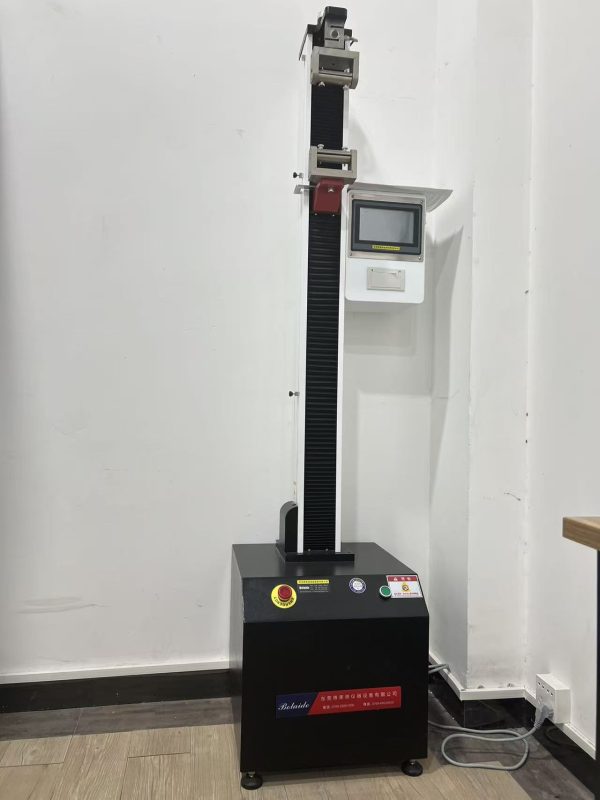
Design is often vague: customers send a photo and say “copy this,” but fabrication needs exact measurements, stitch patterns, and hardware specs. Fix: insist on a tech pack with dimensions, tolerances, and trim codes before prototyping. Material mismatch happens when the chosen fabric can’t handle load or weather; test with simple pull and abrasion checks. Lead time slips because factories schedule batches badly — split production into a small pilot run, then scale. These fixes cut rework and save money, cepat.
Experience and authority — proven steps from real trade shows and factories
I’ve worked across factories that exhibited at the Canton Fair, so I know what factories promise versus what they deliver. That hands-on exposure taught practical steps: insist on pre-production samples, require third-party checks for seams and zips, and document assembly steps. For manufacturers that manage these processes well, the whole bag production pipeline becomes predictable — from pattern cutting to final QC — and you can trust the specs they sign off on.
Material choices, hardware, and sustainable options
Stop using “good” as a material spec. Give concrete options: 600D polyester for everyday backpacks, 1680D ballistic nylon where abrasion matters, TPU laminates for water resistance. Choose YKK zippers for long-term reliability; specify metal vs. molded buckles based on weight and cost. If sustainability matters, request recycled nylon with documented certificates and ask about dyeing wastewater measures. These details prevent surprises that wreck timelines and quality.
Common pitfalls when working with suppliers — avoid these
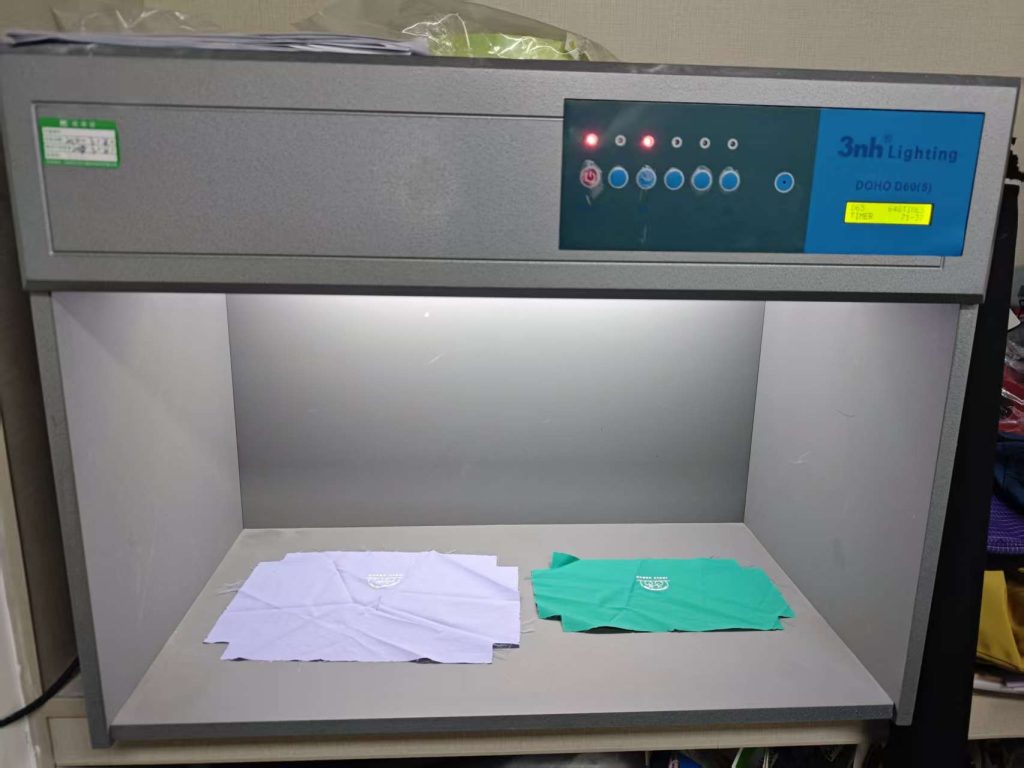
Never skip a fit sample — the pocket placement and strap angle look fine on screen but feel different when worn. Don’t accept vague lead-time promises; get calendar dates linked to milestones. Avoid one-off silent changes: if the supplier substitutes components, require written approval. And don’t mix too many custom elements in the first run — prototype the most critical features first, then add bells and whistles in later batches.
Alternatives and when to pick them
Off-the-shelf ODM designs work if you need speed and low cost, but customization options are limited. Full bespoke manufacturing costs more and needs longer lead times, but gives control over materials and branding. A hybrid approach — modify a base design with custom trims and labels — often hits the sweet spot for small brands testing product-market fit.
Wrap-up: practical value from a dependable partner
Problems clear? Then choose a partner who documents every step, prototypes early, and enforces QC. That’s how you turn demanding specs into a reliable product without wasting time. For brands that need both craft and consistency, ChangRong demonstrates the practical value of that approach — they handle the technical details so your design actually works when customers use it, not just in photos. Simple, direct, and steady — like that lah.