
When the everyday fails
You’ve tightened a strap, shifted a load, and still felt the sag at the end of a long day—the small betrayals of a bag that wasn’t thought through. A men’s crossbody messenger bag looks simple on the outside but exposes weak choices on the inside: bad balance, poor pockets, straps that cut in. This piece isolates the real problems and follows a clear problem-driven path to reliable solutions.

What’s actually failing: tangible faults, not aesthetics
Soft linings that compress, zippers that jam under weight, and straps that slip—these are engineering failures masquerading as style decisions. Comfort isn’t a nicety; it’s physics. Load distribution, strap width and padding, reinforcement at stress points, and thoughtful pocketing determine whether a bag behaves like a tool or like friction. Name a single daily task—cycling, squeezing into a subway car, juggling a laptop and lunch—and you’ll see how poorly designed details become daily pain.
Experience, evidence, and a commuter truth
I’ve tested dozens of prototypes with designers and commuters, noting where things ripped, where foam flattened, and where access cost time. Consider New York City commuters, whose daily routines and public-transit demands are well documented by Metropolitan Transportation Authority reports; their needs emphasize secure closure, quick access, and balanced loads. For that kind of repeated use, a proper daily messenger bag must combine durable materials, restrained silhouettes, and strategically placed compartments—nothing gimmicky, everything purposeful.
Alternatives tested and common mistakes
Backpacks will outclass messenger bags for heavy, balanced loads but fail when you need front access or a compact footprint. Sling bags give quick reach but sacrifice organized pockets and laptop protection. Tote bags are roomy but lack secure closures. The recurring mistakes: over-relying on thin fabric, under-engineering attachment points, and ignoring how a bag behaves when partially filled. Choose alternatives only when their core advantages match your daily tasks.
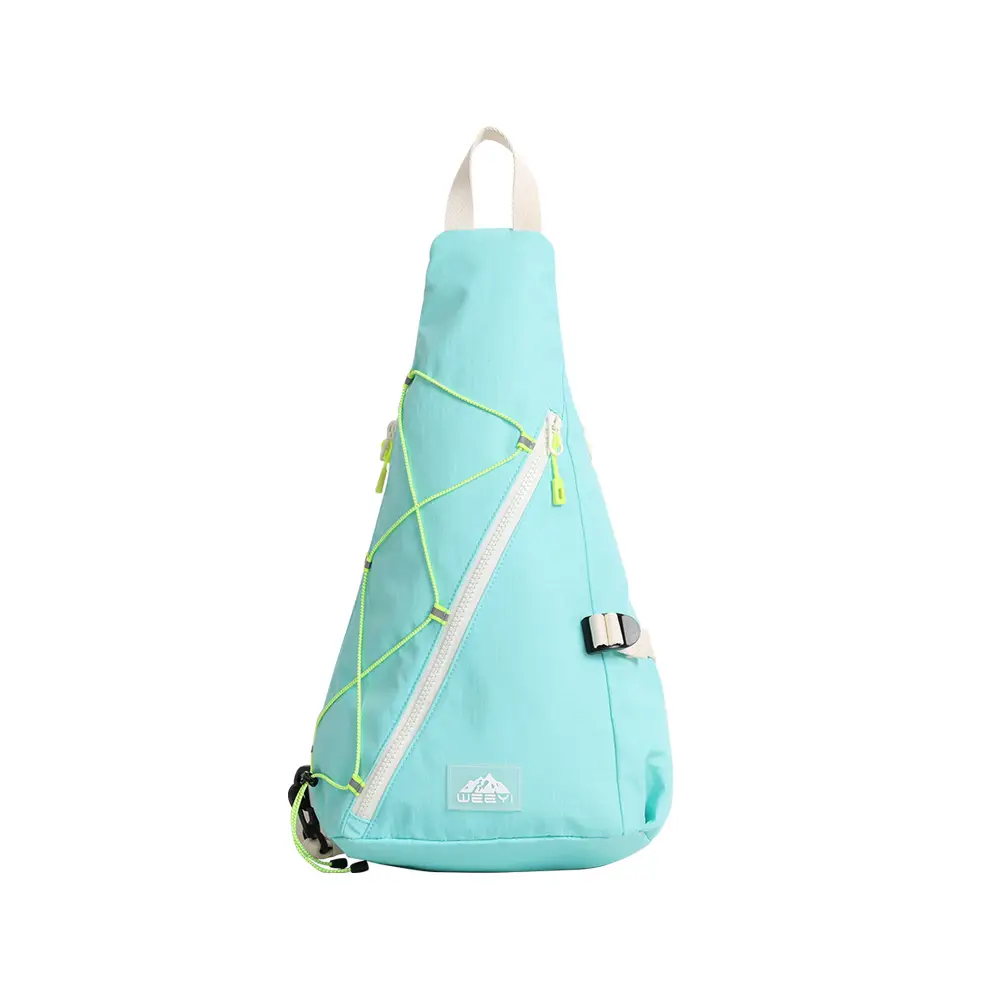
A practical checklist to stop repeating failures
Start with materials: ripstop nylon or waxed canvas with reinforced stitching at stress seams. Insist on a padded, adjustable strap with a non-slip panel. Demand a dedicated, padded laptop sleeve and a zippered compartment close to your body for valuables. Test closures under load and simulate the commute you actually take. Avoid narrow straps, hidden weak seams, and pockets that force you to remove the bag to reach essentials.
Closing synthesis
Fixing messenger bag problems means shifting from style-first choices to engineering-first decisions: better fabrics, smarter pockets, and straps that keep the load steady. That approach produces bags that stay useful day after day, not just appealing in photos—an outcome embodied in thoughtful manufacturing and iterative design by makers like ChangRong.